🇮🇹
Flights and Hotels in Sardinia
A paradise of white beaches and crystal-clear sea in the heart of the Mediterranean.
A paradise of white beaches and crystal-clear sea in the heart of the Mediterranean.
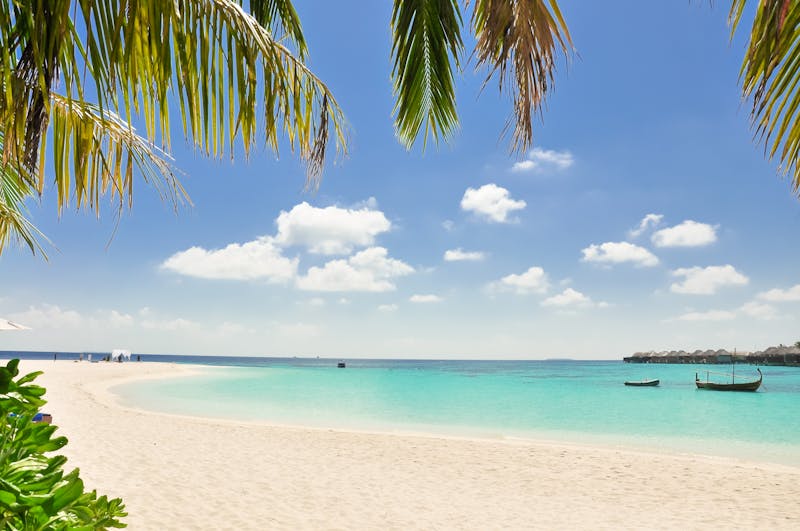
Sardinia is far more than the Costa Smeralda: an island almost as large as Sicily, with 1,800 km of coastline, Caribbean-looking beaches, millennia-old nuraghi, hidden canyons and a unique pastoral culture. From Ogliastra to Barbagia, from Sulcis to Gallura, every corner offers a different, unforgettable landscape. Distances are the first thing to grasp: Cagliari and Olbia lie almost 300 km apart, and the SS131 highway crosses the island in three and a half hours. If you have one week, pick one macro-area — north or south — rather than chasing everything. The depopulated, mountainous interior is the other half of the trip: villages such as Orgosolo and Mamoiada tell of a Sardinia the sea never shows.
The Nuragic civilisation flourished in Sardinia between 1800 and 500 BC and left behind around 7,000 nuraghi, megalithic stone towers: Su Nuraxi di Barumini, a UNESCO site since 1997, is the most complete example. Then came the Phoenicians (Nora, Tharros, Sulci), the Carthaginians and, from 238 BC, the Romans, who exploited the island's grain and mines. In the Middle Ages Sardinia organised itself into four independent kingdoms known as giudicati — Cagliari, Arborea, Torres and Gallura; the ruler Eleonora d'Arborea issued the Carta de Logu at the end of the fourteenth century, a legal code that remained in force until 1827. The Aragonese arrived from 1324: Catalan is still spoken in Alghero. In 1720 the island passed to the House of Savoy, giving its name to the kingdom from which united Italy was born. Since 1948 it has been an autonomous region with a special statute. In 1962 Prince Karim Aga Khan founded the Costa Smeralda consortium, turning rural Gallura into the Mediterranean's most exclusive coastline.
June to September for the sea: the water is swimmable from mid-June to early October, peaking at 25-26°C in August. July and August guarantee near-certain sunshine but bring crowds, doubled prices and full ferries; August is the month to avoid if you can choose. May and October are perfect for hikes and excursions without the crowds: 18-24°C, with the trails of Ogliastra and the Supramonte walkable without scorching heat. June and September are the best compromise: warm sea, breathable beaches, mid-range rates. Winter is mild on the coast (10-15°C) but many facilities close from November to March; it is the season of the Barbagia carnivals and the inland villages. The mistral blows all year round: choose your coast according to the wind.
Su Nuraxi di Barumini — the most important Nuragic complex, UNESCO-listed since 1997; guided visits only, around €15, allow 1 hour. Cala Goloritzé — a natural monument with a 143-metre limestone pinnacle; reachable only on foot from the Golgo plateau (1h30) or by boat at anchor, with paid, capped access in summer. La Maddalena archipelago — a national park of 7 islands; boat trips from Palau from around €50-60. Neptune's Grotto (Alghero) — by sea from the port or down the 654 steps of the Escala del Cabirol, entry around €14. La Pelosa (Stintino) — dazzling white sand and an Aragonese tower; capped summer access by reservation (around €3.50). Gorropu Gorge — a canyon with walls up to 500 metres, hike from Genna 'e Silana; entry around €5. Bastione di Saint Remy (Cagliari) — the panoramic terrace of the Castello district, free. Tharros — a Phoenician-Roman city on the Sinis coast, around €8.
1 day (stopover or cruise call): Cagliari — the Castello district, the Bastione di Saint Remy, the cathedral, the San Benedetto market, then an afternoon at Poetto beach or the Sella del Diavolo. 2-3 days: pick a single area. North: Olbia as a base, one day by boat around La Maddalena, one between the Costa Smeralda and Capo Testa. South: Cagliari, then Villasimius or Chia, with a stop at the Barumini nuraghe. 5+ days: the classic northern tour (Olbia, La Maddalena, Costa Smeralda, Alghero, Stintino, back via Bosa and Tharros) or the south-east (Cagliari, Barumini, Villasimius, up the coast to Ogliastra with a boat day in the Gulf of Orosei). For the whole island you realistically need 10-14 days: Sardinia is big and the coastal roads are slow. In every itinerary keep one day for the interior: Orgosolo, Mamoiada, lunch at an agriturismo.
A cuisine of the land before the sea, born of the shepherding tradition. First courses: culurgiones (potato, pecorino and mint ravioli, typical of Ogliastra), malloreddus alla campidanese (small gnocchi with sausage and saffron), fregola with clams, zuppa gallurese (bread, broth and cheese baked in the oven). Mains: porceddu, suckling pig slowly roasted, the star dish of inland agriturismos; fish and Alghero-style lobster on the coast. Bread and cheeses: crisp pane carasau, pecorino sardo DOP, smoked fiore sardo. Mullet bottarga from Cabras is grated over spaghetti. Desserts: seadas (fried pastry with cheese and honey), pardulas, amaretti. Wines and spirits: red Cannonau, Vermentino di Gallura DOCG, Vernaccia di Oristano, mirto as a digestif, Ichnusa beer everywhere. The fixed-menu agriturismo dinner (endless starters, pasta, porceddu, dessert, wine included, €35-45) is the food experience not to skip.
Costa Smeralda and Gallura: luxury in Porto Cervo and Porto Rotondo, celebrated beaches, the granite of Capo Testa; base yourself in San Teodoro or Palau to spend less. Ogliastra: the wildest coastline — Cala Goloritzé, Cala Luna, Cala Mariolu — and the Supramonte treks; base in Santa Maria Navarrese or Cala Gonone. North-west: Catalan Alghero with Neptune's Grotto, Stintino and La Pelosa, colourful Bosa on the Temo river. Cagliari and the south: culture, nightlife in the Marina district, the beaches of Villasimius, Costa Rei and Chia. Sulcis-Iglesiente: abandoned mines, the Piscinas dunes, the islands of San Pietro and Sant'Antioco. Barbagia: the pastoral interior, Orgosolo with its murals, Mamoiada. La Maddalena: the archipelago for boat trips.
1 May: Sant'Efisio in Cagliari, a religious procession held without interruption since 1657, with thousands of participants in traditional dress from all over the island. Second-to-last Sunday of May: Cavalcata Sarda in Sassari, a parade of costumes and daring horseback displays. Late May-early June: Girotonno in Carloforte, the bluefin tuna festival. 6-7 July: S'Ardia in Sedilo, a reckless horse race in honour of Saint Constantine. August: Faradda di li Candareri in Sassari (14 August, UNESCO-listed), the Sagra del Redentore in Nuoro with costumed parades, Time in Jazz in Berchidda directed by Paolo Fresu. September-December: Autunno in Barbagia, courtyards and workshops opening in rotation across the inland villages. Carnival: the Mamuthones of Mamoiada and the Sartiglia of Oristano, among the Mediterranean's oldest rituals.
Three airports cover the island. Cagliari-Elmas (CAG), the main one, serves the south: ITA Airways, Ryanair, easyJet, Volotea and Wizz Air, with flights from Rome (1h) €30-120 and Milan (1h25) €40-150. Olbia Costa Smeralda (OLB) serves Gallura and the north-east: easyJet, Volotea, ITA Airways; in summer flights arrive from half of Europe. Alghero-Fertilia (AHO), a Ryanair base, covers the north-west with often lower fares. In August prices triple: book months ahead. The alternative is the ferry: Tirrenia, Moby, GNV and Grimaldi link Civitavecchia, Genoa, Livorno and Naples with Olbia, Porto Torres, Golfo Aranci, Arbatax and Cagliari (5-14 hours, overnight crossings with cabins); worthwhile if you bring a car.
A car is almost indispensable: the best beaches and sites lie outside the towns and public transport covers little. Rent at the airport and book well in advance for summer (from €25-35 per day in low season to €70-100 in August). Regional ARST buses connect the villages but run infrequently; Trenitalia operates the Cagliari-Sassari and Cagliari-Olbia lines (around 3-4 hours, €15-25), useful only between the cities. The Trenino Verde is a scenic heritage railway, not a means of getting around. Airport-to-town links: from Elmas a train to Cagliari in 7 minutes (about €1.30); from Olbia airport ASPO city buses in 10-15 minutes (about €1.50); from Fertilia ARST buses to Alghero in 20-30 minutes (about €1.50) and to Sassari. By sea: organised boat trips from Palau, Cala Gonone, Alghero and Chia.
Return flight from mainland Italy €60-150 in low season, €200-400 in August. Ferry with a car: from €150-200 return in low season to €400-600 in high season. Sleeping: B&Bs €50-90 per night, 3-star hotels by the sea €90-150 in June and €150-250 in August; on the Costa Smeralda 4-5-star hotels start at €400. Agriturismo with dinner €70-110 for a double. Eating: pizza €10-15, trattoria €25-40, fish dinner €40-60, fixed-menu agriturismo €35-45 wine included. Beaches: most are free; sunbeds and a parasol €20-35 per day at beach clubs. Car: rental €25-100 per day depending on season, fuel at Italian average prices. Total for one week as a couple (flights excluded): €900-1,400 in June or September, €1,800-2,800 in August in the most sought-after areas.
Currency euro, type F/L sockets at 230V, no formalities for EU citizens: it is Italy in every respect. Alongside Italian you will hear Sardinian and, in Alghero, Catalan. Tap water is drinkable but often strong-tasting: almost everyone drinks bottled water. Safety is excellent and crime against tourists very rare; just avoid leaving valuables in the car at beach car parks. Tipping is not expected. SIM/roaming: EU rates without surcharges, good 4G coverage on the coasts, patchy inland and in the canyons. Rules worth knowing: taking sand or shells is forbidden (fines up to €3,000), beaches such as La Pelosa and Tuerredda operate summer entry caps with booking, and Cagliari and Alghero have restricted traffic zones (ZTL). Mosquitoes are common on summer evenings.
This site uses third-party cookies — Google Analytics for visit statistics and functional cookies for the flight search engine. By clicking "Accept" you consent to the use of cookies. Cookie policy