🇮🇹
Flights and Hotels in Palermo
Discover Palermo through Arab-Norman palaces, lively markets, Baroque domes and street food, with Mondello’s beach and Monreale both within easy reach of the historic centre.
Discover Palermo through Arab-Norman palaces, lively markets, Baroque domes and street food, with Mondello’s beach and Monreale both within easy reach of the historic centre.
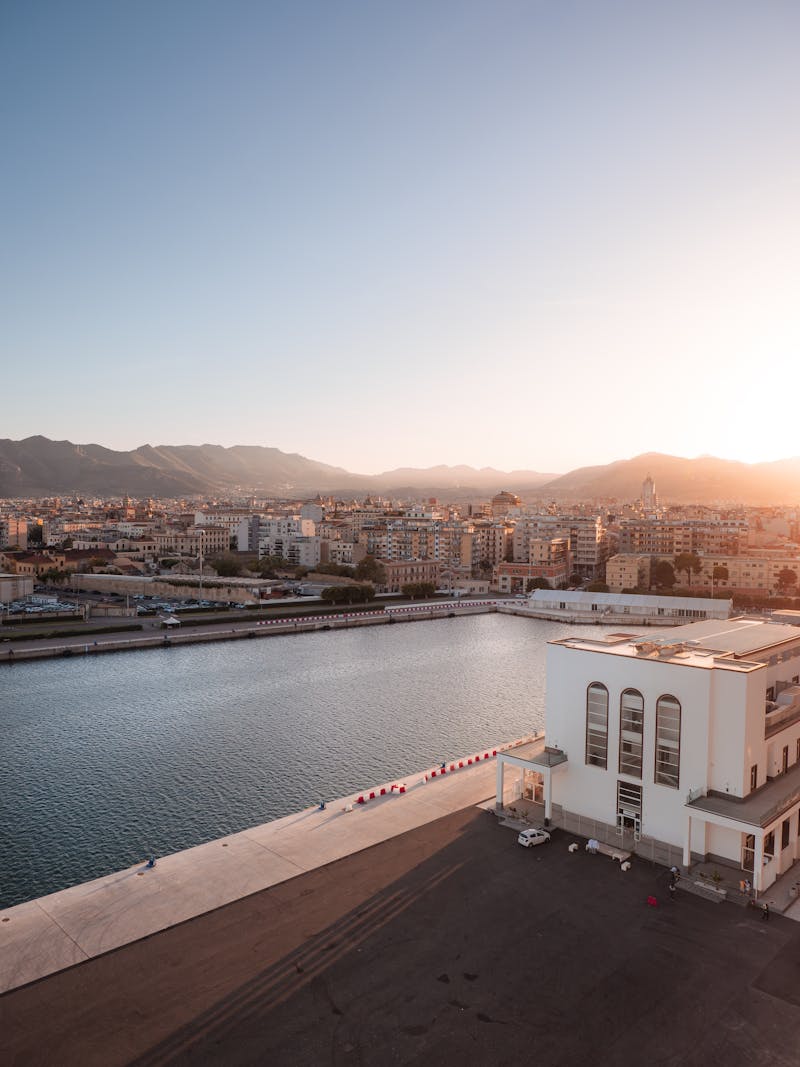
Palermo deserves at least two full days. The historic centre is extensive, yet Quattro Canti, the Cathedral, Norman Palace, Ballarò and Kalsa connect well on foot. Devote one morning to the Arab-Norman route and another to markets, Baroque churches and the waterfront. Distances increase for the Capuchin Catacombs, Monte Pellegrino and Mondello, best reached by bus or taxi. In summer, start early, pause during the hottest hours and visit the coast in late afternoon. Monreale needs at least half a day. With four or five days, add Cefalù, Bagheria or a beach day without rushing the city sights.
Palermo began as a Phoenician trading settlement on Sicily’s north-western coast and subsequently passed under Carthaginian, Roman, Vandal, Byzantine and Arab control. Under the Islamic emirate it became a major Mediterranean capital, transformed by new districts, markets and irrigation systems. The Normans conquered it in the eleventh century and built a multilingual court where Latin, Greek and Arab traditions produced monuments such as the Palatine Chapel and Martorana. Under Frederick II, Palermo remained a political and cultural centre of the Kingdom of Sicily. Later Angevin, Aragonese and Spanish governments left palaces, churches and broad urban axes; the Sicilian Vespers uprising began near the city in the thirteenth century. Baroque rebuilding reshaped squares and façades after earthquakes and aristocratic development. In the nineteenth century Palermo joined Sicilian revolutions and Garibaldi’s campaign. The Florio family’s Art Nouveau era brought theatres, villas and industry. Damaged by Second World War bombing and unrestrained post-war construction, Palermo still preserves a deeply layered centre; its Arab-Norman route is recognised by UNESCO.
April to June and September to October provide the best balance: usually mild or warm temperatures, bright days and usable beaches. July and August are extremely hot, sometimes above 35°C, with larger crowds in Mondello and higher prices; tour monuments in the morning. Winter is generally mild, although rain and wind can disrupt walks and ferries. Spring and autumn suit Monte Pellegrino, Monreale and trips to Cefalù. In mid-July, the Feast of Saint Rosalia fills the Cassaro and changes traffic arrangements. Easter and spring holiday weekends require early booking. November to February brings better hotel rates for museum and food breaks, at the cost of shorter days.
Norman Palace and Palatine Chapel preserve Byzantine mosaics inside the former royal seat. Palermo Cathedral layers Norman, Gothic and Neoclassical architecture; roofs and royal tombs require tickets. Martorana and San Cataldo show two sides of medieval Sicily through mosaics and red domes. Quattro Canti and Pretoria Fountain create the theatrical focus of the Baroque centre. Teatro Massimo, among Europe’s largest opera houses, offers tours and performances. Palazzo Abatellis displays Antonello da Messina’s Annunciation and medieval sculpture. Capuchin Catacombs hold thousands of mummified bodies, a powerful visit unsuitable for sensitive travellers. Monreale Cathedral, outside town, combines vast golden mosaics and a Norman cloister. Saint Rosalia’s Sanctuary is embedded in Monte Pellegrino’s rock above the gulf.
1 day: tour the Norman Palace and Palatine Chapel in the morning, followed by the Cathedral, Quattro Canti, Martorana, San Cataldo and Pretoria Fountain; finish between Teatro Massimo and Capo market. 2-3 days: add Ballarò, Casa Professa, Kalsa, Palazzo Abatellis, the Botanical Garden and a Foro Italico walk; reserve half a day for Monreale Cathedral and cloister. On the third afternoon choose the Capuchin Catacombs or Mondello. 5 days or more: climb to Saint Rosalia’s Sanctuary and Monte Pellegrino’s viewpoint, explore Art Nouveau architecture along Via Libertà and visit Bagheria. Use one day for Cefalù by train and another for Mondello or Capo Gallo reserve, leaving time for markets and unhurried meals.
Palermo’s cooking combines Arab, Spanish and working-class influences. Street food includes arancine, panelle, crocchè, sfincione and pani câ meusa; the last, made with spleen and lung, is strongly flavoured. First courses feature pasta with sardines, wild fennel, raisins and pine nuts; baked anelletti; and pasta with cauliflower. Mains and sides include sarde a beccafico, involtini, caponata and aubergines. Desserts mean cannoli filled to order, cassata, marzipan fruit and summer watermelon pudding. Ballarò and Capo remain working markets where hygiene and displayed prices deserve attention; Vucciria is mainly a nightlife venue. Street food costs roughly €5-12, a simple trattoria meal €20-30 and an average fish dinner €35-55. Always ask the price of fish sold by weight and favour restaurants with clear menus away from the most aggressive tourist pitches.
Cassaro and Quattro Canti concentrate landmarks and suit a first visit, but stay animated late. Albergheria and Ballarò provide markets, food and daily life; choose accommodation on well-lit streets. Kalsa combines Palazzo Abatellis, the Botanical Garden, restored squares and evening venues. Capo, near Teatro Massimo, is central and lively. Politeama and Libertà offer hotels, shops and practical transport in a more orderly setting. Borgo Vecchio is popular and noisy. Mondello works for beaches and summer stays but lies far from historic sights. Monreale is an excursion, not an ideal base without a car.
Feast of Saint Rosalia, in mid-July, brings a procession, triumphal float, music and fireworks along the Cassaro; expect major crowds and road closures. Acchianata, overnight between 3 and 4 September, sees devotees walk to the Monte Pellegrino sanctuary. Holy Week includes confraternity processions through historic districts. Summer brings changing programmes of performances and concerts in theatres, villas and outdoor spaces. Palermo Marathon animates the streets in autumn and can alter transport. Christmas and Epiphany feature nativity scenes, markets and religious observances. Teatro Massimo maintains an opera and symphonic season; book ahead for the most popular productions.
Falcone Borsellino Airport (PMO), also called Palermo-Punta Raisi, lies about 30 kilometres west of the centre. ITA Airways, Ryanair, easyJet, Volotea and other airlines typically connect Palermo with Rome, Milan, Turin, Bologna, Venice, Naples and several European cities; routes and frequency vary seasonally. A direct flight takes roughly one hour from Rome or Naples and 1 hour 30-45 minutes from Milan or Turin. Domestic returns can start around €50-100 outside peak periods, but rise in summer and during holidays. Trapani Birgi (TPS) is a distant alternative, worthwhile only when its fare is substantially lower and the onward transfer is planned.
The historic centre is mainly walkable. AMAT buses and trams serve outer districts, though traffic and waits call for extra time. A city ticket is roughly €1.50 and must be validated. From Falcone Borsellino Airport, regional trains link Punta Raisi station with Palermo Centrale via several urban stops; allow about 50-65 minutes and around €7. The Prestia e Comandè bus serves Politeama and Palermo Centrale in roughly 50-70 minutes depending on traffic, for approximately €6-7. Official taxis and shared services cost more; confirm the fare before departure. Use a city bus or taxi for Monreale and the train for Cefalù. Driving is inconvenient in the centre because of restricted-traffic zones, congestion and scarce parking.
Accommodation: a hostel bed may cost about €25-45, a budget room €55-90 and a good mid-range hotel €90-160 nightly; July, August and major celebrations increase prices. Check whether city tax and breakfast are included. Food: bar breakfast €3-6, street food €5-12, simple lunch €15-25, trattoria dinner €25-40; fish can raise the bill to €40-60. Sights: allow roughly €25-45 daily when combining monuments and museums, less if selecting free churches. Transport: €5-10 a day generally covers city travel, excluding airport transfers. A weekend for two without flights may cost around €300-520 on a budget or €520-850 with a central hotel and full dinners. Early booking matters most around the Festino and in high summer.
The currency is the euro and the language Italian; Sicilian is common locally. EU citizens need no visa and use European roaming under their provider’s plan. Sockets are types C, F and L at 230V. Tap water is generally drinkable, but taste and individual building plumbing vary; ask your accommodation. Tipping is optional: rounding up or leaving 5-10% rewards good service. Apply normal city precautions, guarding phones and wallets in markets, on busy buses and around stations; use well-lit streets at night. Take official taxis, leave nothing visible in cars and check restricted-traffic rules before driving. Pharmacies and mobile coverage are widely available.
This site uses third-party cookies — Google Analytics for visit statistics and functional cookies for the flight search engine. By clicking "Accept" you consent to the use of cookies. Cookie policy