🇮🇹
Flights and Hotels in Pisa
Pisa extends far beyond the Leaning Tower: this practical guide brings together flights, hotels, districts, transport and itineraries for exploring a compact, lively university city.
Pisa extends far beyond the Leaning Tower: this practical guide brings together flights, hotels, districts, transport and itineraries for exploring a compact, lively university city.
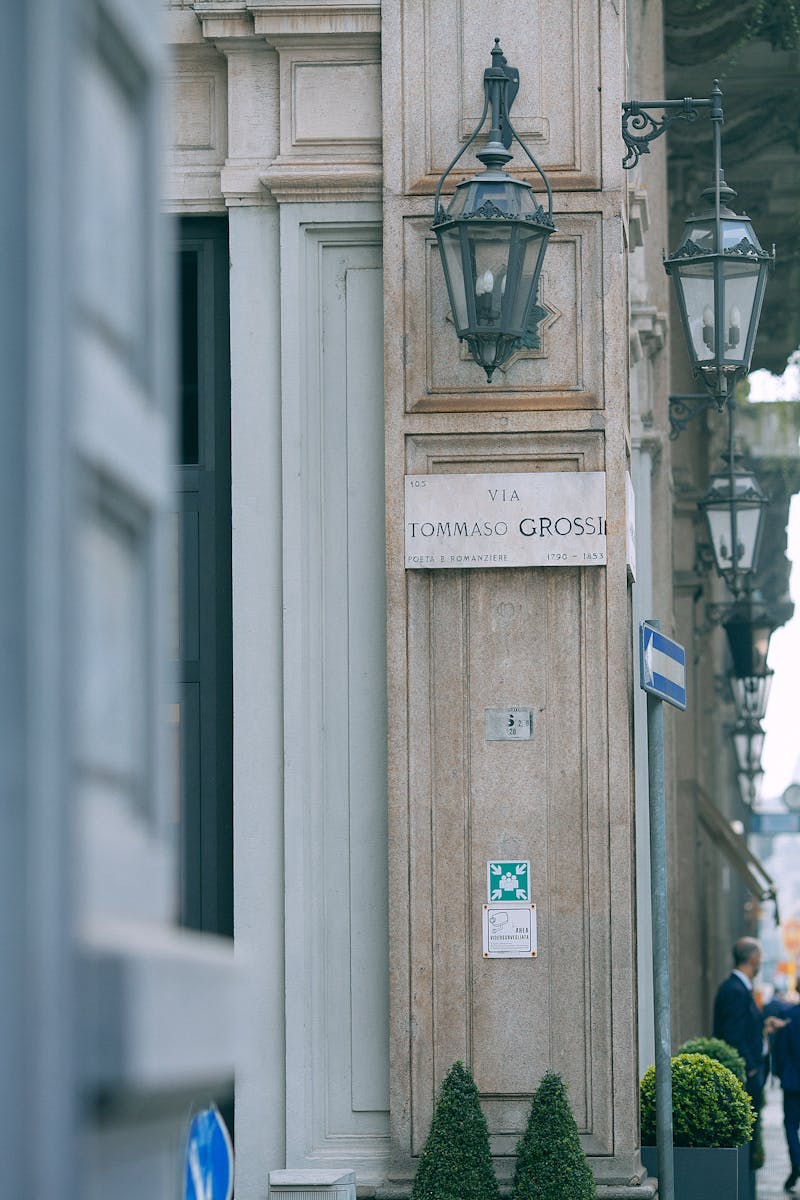
Pisa is compact, flat and well suited to walking or cycling. The route from the main station to Piazza dei Miracoli is about two kilometres, via Corso Italia, Ponte di Mezzo and Borgo Stretto. Visiting the Tower, Cathedral, Baptistery and Camposanto takes at least half a day; booking the climb prevents waiting time from shaping your entire schedule. The rest of the centre deserves attention: Piazza dei Cavalieri, Romanesque churches, the riverfront and the Tuttomondo mural reveal a city beyond its familiar image. Two days allow a balanced visit; with three, add San Piero a Grado, the coast or Lucca. Cyclists should take care on smooth stone surfaces and in crowded pedestrian areas.
Pisa developed in an area settled by Etruscans and Romans, near the confluence of the Arno and Auser, and became an important port in Roman times. Between the 11th and 13th centuries it grew into a powerful maritime republic, trading across the Mediterranean and joining campaigns against Saracen bases. That wealth financed the monumental ensemble now known as Piazza dei Miracoli. Naval defeat by Genoa at Meloria began a decline compounded by harbour silting and internal conflicts. In the 15th century the city entered the Florentine sphere permanently; the Medici revived the University and founded the Order of the Knights of Saint Stephen, commissioning Giorgio Vasari to transform their square. Galileo Galilei was born in Pisa and studied at its university, formally established in the 14th century and now joined by the Scuola Normale Superiore and Sant’Anna School. Second World War bombing badly damaged districts and infrastructure. Post-war restoration and scientific research consolidated Pisa’s modern identity as a university city, beyond tourism focused on the Tower.
April, May, September and October usually bring mild temperatures, attractive light on the monuments and comfortable walking conditions. Sudden spring showers are possible; a light raincoat is more practical than an umbrella in busy streets. June is enlivened by the San Ranieri celebrations and Gioco del Ponte, but rooms should be booked early. July and August are hot and humid, with fewer students and heavy crowds in Piazza dei Miracoli; visit in the morning and spend midday inside museums or churches. From November to February, rooms are often cheaper and tour groups fewer, though days are short and rain possible. The Arno’s level and flood risk are monitored: follow local alerts during severe weather.
Leaning Tower — a tilted medieval bell tower entered at a reserved time; the climb has more than two hundred steps and large bags are prohibited. Cathedral of Santa Maria Assunta — a masterpiece of Pisan Romanesque architecture, with a marble façade and Giovanni Pisano’s pulpit. Baptistery of Saint John — noted for its acoustics and combination of Romanesque and Gothic forms. Monumental Cemetery — a quiet cloister containing ancient sarcophagi and frescoes restored after wartime damage. Piazza dei Cavalieri — political heart of medieval Pisa, redesigned by Vasari for the Order of Saint Stephen. Santa Maria della Spina — a small marble Gothic church beside the Arno. National Museum of San Matteo — painted panels, crosses and sculpture from medieval Tuscan schools. Tuttomondo — Keith Haring’s large mural on the wall of Sant’Antonio Abate.
1 day: start early in Piazza dei Miracoli with a reserved Tower climb, Cathedral, Baptistery and Camposanto; continue to the Botanical Garden, have lunch in Santa Maria and reach Piazza dei Cavalieri, Borgo Stretto and the riverfront as far as Santa Maria della Spina. 2-3 days: add the Opera del Duomo and San Matteo museums, explore San Francesco and San Martino, see Tuttomondo and spend an evening beside the Arno; on day three choose the Romanesque basilica of San Piero a Grado and Marina di Pisa, or take the train to Lucca. 5+ days: explore the Medici aqueduct and San Rossore Park through authorised activities, then visit the Certosa at Calci, Vicopisano, Livorno and the Colline Pisane, alternating museums and walks rather than making the whole stay about the Tower.
Pisan cooking connects countryside, river and coast. Zuppa pisana and bordatino combine bread, cabbage, beans and cornmeal; these filling dishes are common in cooler months. Cecina, a thin savoury chickpea-flour cake, is served alone or inside focaccia and costs about €3-6. First courses may feature pasta or rice with clams, game ragù and bean recipes. Fish comes from the coast: Pisan-style salt cod, cuttlefish with chard and red mullet are traditional, though availability varies. Torta co’ bischeri, filled with rice, cocoa, pine nuts and candied fruit, is associated particularly with Pontasserchio and San Giuliano Terme. Look for trattorias in San Martino, Sant’Antonio and the side streets off Borgo Stretto; compare menus and cover charges near the Tower. A simple lunch costs around €15-25 and a multi-course dinner €30-50. Wines from the Colline Pisane pair well with cured meats, pecorino and meat dishes.
Santa Maria includes Piazza dei Miracoli and much of the historic core: convenient for monuments, but more expensive and busy by day. San Francesco, east of Borgo Stretto, combines palaces, nightlife, theatre and university life. San Martino preserves quiet streets, medieval residences and quick access to the riverfront. Sant’Antonio, between the station and Arno, contains Tuttomondo and suits travellers arriving by train or plane. Porta a Lucca, outside the walls, offers apartments and a residential mood within walking distance of the Tower. Le Piagge follows the river eastwards, with a tree-lined promenade. Marina di Pisa and Tirrenia are coastal resorts separate from central Pisa, useful for a beach day but less convenient for urban sightseeing.
Luminara di San Ranieri: on the eve of the June patronal feast, thousands of lights outline façades and bridges along the Arno; access is free but crowds are intense. Palio di San Ranieri: boats representing historic districts race on the river. Gioco del Ponte: a costume parade and contest between Tramontana and Mezzogiorno take place on Ponte di Mezzo, normally in June. Regatta of the Maritime Republics: Pisa hosts in rotation with Amalfi, Genoa and Venice. Pisan New Year: a civic celebration held in March according to the old local calendar. Pisa Book Festival: an autumn event for independent publishing. Concerts, university events and the Teatro Verdi season complete the year. Riverfront festivals often bring diversions, security checks and closures, so walk and book early.
Galileo Galilei Airport (PSA) is Tuscany’s main airport and lies immediately south of the city. It is served mainly by European and low-cost airlines such as Ryanair, easyJet, Wizz Air and British Airways, plus seasonal services; routes change, so always check current operations. Within Italy, direct flights are more common from island and southern airports, taking roughly 60-90 minutes; from other cities, rail is often more sensible. Rome-Pisa takes about three hours on the fastest services and Florence about one hour, while Milan generally takes three to four hours by train. The airport is so close that the transfer into town lasts only a few minutes. Compare total costs including luggage and ground transport, not merely the base fare.
Central Pisa is easy to cover on foot; allow roughly 25-30 minutes from the station to the Tower. Autolinee Toscane city buses connect the station, centre, hospital and coast; a ticket costs about €1.70 and is also sold through apps and retailers. Cycling is practical over short distances, but bikes should be walked through the busiest pedestrian zones. From the airport, the automated PisaMover reaches Pisa Centrale in about five minutes, with a one-way fare around €6-7; city bus 3+ is a cheaper alternative towards the centre. The terminal is about twenty minutes on foot from the station. Taxis reach central addresses in 10-15 minutes depending on traffic. Direct regional buses run to Marina di Pisa, Tirrenia and Calambrone. A car is of little use in the historic core, where the restricted traffic zone and regulated parking require careful attention to signs.
Pisa accommodates different budgets, especially outside spring weekends and June events. Accommodation: a hostel bed or basic room starts at roughly €30-55; a good three-star hotel or B&B costs about €70-130, while superior central properties may exceed €160. Food: counter breakfast €3-6, cecina or sandwich €4-8, simple lunch €15-25, trattoria dinner €30-50 per person. Attractions: allow about €25-45 for a combination covering the Tower and square monuments, less if choosing museums and free spaces selectively; prices change. Transport: walking around the centre costs nothing, while airport transfers, buses and occasional rides total around €10-20. A mid-range two-day stay, excluding travel and shopping, costs approximately €170-300 per person sharing a double room; late booking in high season raises that figure. Check the tourist tax charged by your accommodation.
The currency is the euro and the language is Italian; English is common in tourism and university settings. Sockets are types C, F and L at 230V. Tap water is safe to drink unless temporary notices state otherwise. EU citizens need no visa, only valid identification, while normal health and travel rules remain applicable. EU roaming works according to your plan and Italian SIM cards are widely available. Pisa is generally safe, but bags and phones need attention at the station, on transport and in Piazza dei Miracoli crowds. Tipping is optional: round up or leave 5-10% for good service after checking cover and service charges. Cyclists should use lights and a secure lock; respect barriers and instructions by the Arno during bad weather. Pharmacies and healthcare are readily available centrally.
This site uses third-party cookies — Google Analytics for visit statistics and functional cookies for the flight search engine. By clicking "Accept" you consent to the use of cookies. Cookie policy