🇮🇹
Flights and Hotels in Sicily
Plan a trip to Sicily with flights, hotels and practical guidance for choosing coasts, cities, archaeological sites, local food and itineraries suited to your available time.
Plan a trip to Sicily with flights, hotels and practical guidance for choosing coasts, cities, archaeological sites, local food and itineraries suited to your available time.
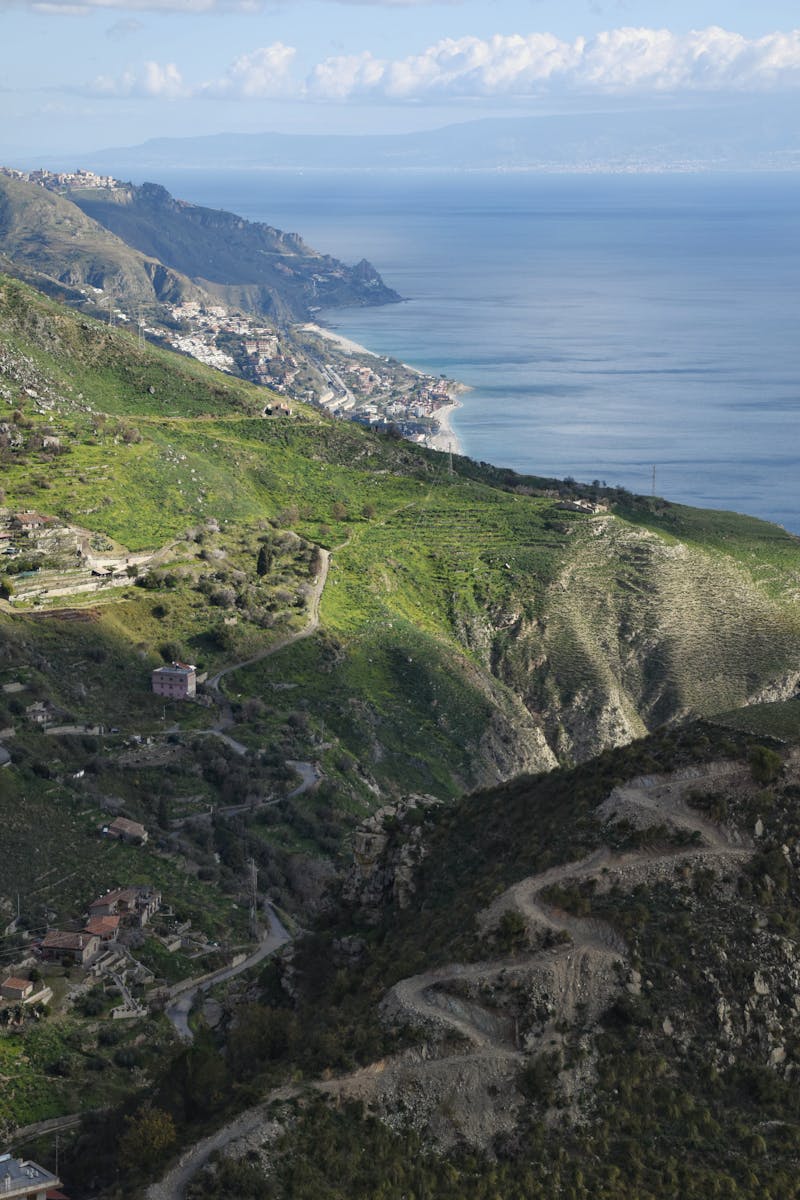
Sicily is a large region, not a destination to explore from one city. Palermo and the western coast, Catania with Mount Etna and the east, then Syracuse and the Val di Noto work as separate trips. Road distances can appear modest, yet crossing the island takes time and secondary roads are slow. For one week, choose two nearby bases; with ten days or more, combine east and west. The sea is only one part of the journey: Greek temples, Roman mosaics, Arab-Norman architecture, Baroque towns and volcanic landscapes justify visits in every season. Book early for August, Easter and the busiest weekends.
Its position in the middle of the Mediterranean made Sicily a crossroads of peoples. Greeks and Phoenicians founded cities and ports; Syracuse became a major power in the Greek world, while Agrigento left an extraordinary valley of temples. Rome turned the island into an important granary, and the Villa Romana del Casale preserves exceptional late-antique mosaics. After Byzantine and Arab rule, the Normans created a medieval kingdom able to blend Latin, Greek and Islamic cultures, still visible in Palermo, Monreale and Cefalù. Swabians, Angevins and Aragonese followed, and the Sicilian Vespers marked European history. Under the Bourbon monarchy, the island belonged to the Kingdom of the Two Sicilies until Garibaldi’s campaign and Italian unification. An earthquake in the Val di Noto led to the Baroque rebuilding of Catania, Noto, Ragusa and Modica. In the twentieth century, emigration, land reforms and the fight against the Mafia transformed society. Today, distinct local identities remain evident in dialects, festivals, food and urban landscapes.
April-June and September-October offer the best balance: mild or warm temperatures, long days and more manageable archaeological sites. July and especially August are very hot, crowded and expensive on the coast; inland, midday hours can be exhausting. Winter suits Palermo, Catania, Syracuse and the Baroque towns, although rain is possible and beach services are reduced. Weather changes quickly on Mount Etna, with possible snow at altitude. Spring colours the countryside and reserves; autumn often extends the swimming season. For excursions, always check weather and volcanic activity with local authorities. Easter, mid-August and major patron-saint festivals require early booking.
Norman Palace and Palatine Chapel in Palermo combine Byzantine mosaics and royal architecture. Monreale Cathedral holds a vast medieval mosaic cycle. Valley of the Temples in Agrigento preserves Doric temples in an open landscape. Ancient Theatre of Taormina frames sea and Mount Etna. Etna Park offers craters, lava flows and trails, always approached according to official conditions, with closed shoes and water. Ortygia gathers Syracuse Cathedral, the Fountain of Arethusa and lanes beside the sea. Noto represents south-eastern Baroque along Corso Vittorio Emanuele. Villa Romana del Casale, near Piazza Armerina, preserves celebrated floor mosaics. Ragusa Ibla climbs among Baroque churches and palaces. Zingaro Reserve, between Scopello and San Vito Lo Capo, protects coves and coastal paths.
1 day: devote the whole day to one city, choosing Palermo with the Palatine Chapel, old centre and Monreale, or Catania with its market, Baroque centre and coast; never attempt an island crossing. 2-3 days: from Catania combine Etna, Taormina and Syracuse; from Palermo alternate the city, Monreale and Cefalù, or base yourself west for Trapani, Erice and Zingaro. 5+ days: build a coherent circuit. In the east, Catania, Etna, Taormina, Syracuse, Noto and Ragusa require at least six days. In the west, Palermo, Cefalù, Trapani, Erice, the Egadi Islands and Agrigento take seven. Allow at least ten to twelve days, two or three bases and intermediate stops for a full circuit; add the Aeolians or Egadi only with spare time for sea-related changes.
Cooking changes from province to province. In Palermo try arancine, panelle, sfincione and pasta with sardines; street food is part of daily tradition. Around Catania, pasta alla Norma, cipollina pastries and dishes featuring Bronte pistachios prevail. The south-east offers Ragusa scacce, Modica chocolate and Pachino tomatoes; in Trapani, fish couscous reflects links with North Africa. Regional classics include caponata, sarde a beccafico, swordfish rolls and pasta with tender squash leaves. Desserts include cannoli, cassata, granita with brioche, marzipan fruit and watermelon pudding. Sample historic markets carefully and choose stalls busy with residents. A simple lunch may cost about €12-20 and a trattoria meal €25-40; fresh fish and scenic restaurants easily raise the bill. Look for Etna wines, Nero d’Avola, Cerasuolo di Vittoria, Marsala and island dessert wines.
Palermo and surroundings combine Arab-Norman monuments, markets, Monreale and western beaches. Trapani province suits salt pans, Erice, the Egadi Islands, Zingaro and archaeological sites. Agrigento and the southern coast revolve around the Valley of the Temples and quieter beaches. Catania and Etna provide city life, volcano trips and access to Taormina. Syracuse and Val di Noto bring together Ortygia and the Baroque towns of Noto, Modica and Ragusa. Messina province and the Aeolians pair coast, villages and volcanic islands, but sea travel depends on weather. To avoid hours of driving, choose one broad area and add an adjacent one.
The Feast of Saint Agatha fills Catania in February with processions and intense local participation. Palermo’s Festino di Santa Rosalia crosses the centre in July with a large ceremonial float. Easter is deeply observed in Enna, Trapani and many towns, with rites and processions that can alter traffic. Between May and June, Syracuse’s Greek theatre hosts classical performances. The Cous Cous Fest in San Vito Lo Capo is usually held in September, while pistachio, wine and agricultural festivals mark autumn. Acireale and Sciacca are known for Carnival. Dates and access arrangements change each edition: consult official programmes and book accommodation and transport early.
For eastern Sicily, mainly choose Catania Fontanarossa (CTA), the principal gateway for Catania, Etna, Taormina, Syracuse and Val di Noto. For Palermo, Cefalù and the west, Palermo Falcone Borsellino (PMO) is more practical. Trapani Birgi (TPS) and Comiso (CIY) have smaller networks but may suit local itineraries. A direct flight from Rome or Milan to CTA or PMO takes roughly 1 hour 15 minutes to 1 hour 45 minutes; from Naples, about one hour. ITA Airways, Ryanair, easyJet and Volotea commonly serve Italian routes, depending on season. Always compare baggage and transfer costs: a cheap flight to the opposite airport may add several hours. Book flights and a hotel near your chosen area, not the island’s nominal centre.
To explore several provinces, a car is almost essential: it reaches villages, reserves, beaches and rural sites, but avoid limited-traffic historic centres and expect slow inland roads. Regional trains are useful mainly on the Messina-Catania-Syracuse, Messina-Palermo and Palermo-Agrigento corridors; their frequency and journey times do not support comprehensive touring. Intercity buses cover many routes without rail service. From CTA, Alibus links the airport, station and central Catania; the Fontanarossa Airlink shuttle reaches the rail stop. Allow about €4 and 20-30 minutes into the centre, traffic permitting. From PMO, the train from Punta Raisi station reaches Palermo Centrale in roughly 50-60 minutes for about €6-7. Taxis and car hire cost more; smaller islands require ferries or hydrofoils, subject to weather.
Costs vary widely between cities, beach resorts and peak season. Accommodation: a dorm bed or basic room costs around €30-65, a B&B or mid-range hotel €70-140 and superior properties from €150; August, Taormina and the islands can be substantially dearer. Meals: street food €3-8, a simple lunch €12-20 and a multi-course trattoria meal about €25-40 per person. Transport: a small car often starts around €35-70 per day, plus fuel, parking and insurance; regional buses and trains are cheaper but less flexible. Sites, museums and activities may add €10-60 daily, more for boat excursions or guided Etna tours. Excluding flights, budget roughly €70-110 per person per day for an economical trip and €130-220 for mid-range travel when sharing a room and car.
The currency is the euro and the official language is Italian; dialects differ considerably by province. Power sockets are types C, F and L at 230V. Tap water is generally drinkable, but taste and availability can vary, so follow municipal notices. Sicily is broadly safe for visitors; take standard precautions against pickpocketing and leave nothing visible in a parked car. Service is included and tipping is optional, although rounding up is appreciated. EU citizens need no visa; European roaming and healthcare coverage apply with valid documents. Mobile service is good in towns but less consistent in mountains and islands. In summer carry sun protection and water; on Etna take warm clothing and suitable shoes even when coastal temperatures are high.
This site uses third-party cookies — Google Analytics for visit statistics and functional cookies for the flight search engine. By clicking "Accept" you consent to the use of cookies. Cookie policy