🇯🇵
Flights and Hotels in Tokyo
Tokyo rewards careful planning: this guide brings together districts, temples, food, transport and budgets, with practical advice for choosing flights, hotels and visiting times efficiently.
Tokyo rewards careful planning: this guide brings together districts, temples, food, transport and budgets, with practical advice for choosing flights, hotels and visiting times efficiently.
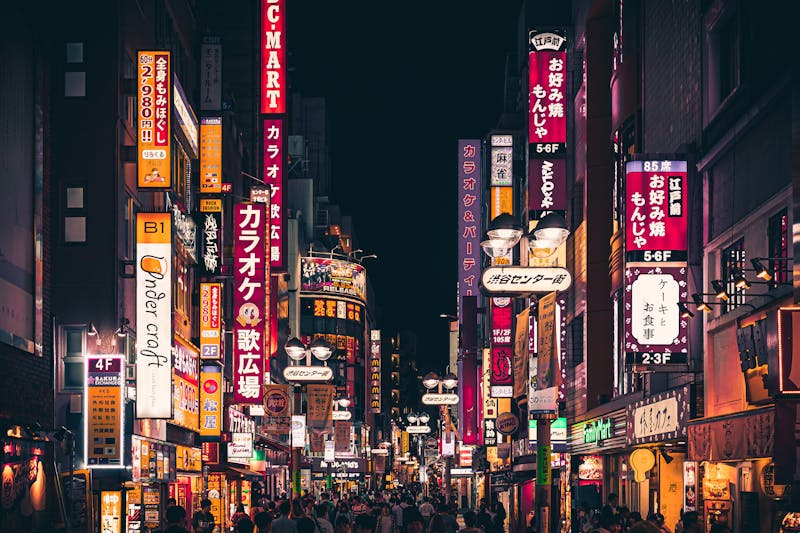
Tokyo has no single centre: it is a constellation of districts linked by efficient trains. Shinjuku, Shibuya, Asakusa and Ueno are often thirty minutes apart, so group visits by area. Three days reveal only the classics; five allow museums, markets and evenings without rushing; one week leaves room for Kamakura, Nikko or Hakone. Major stations are enormous: numbered exits and line names matter more than distance on a map. Start early for Senso-ji and Meiji Jingu, but save Shibuya and Shinjuku for the evening. An IC card removes daily friction; comfortable shoes and a flexible itinerary do the rest, especially during rain, humid heat or seasonal crowds.
Tokyo began as Edo, a small fortified settlement overlooking the bay. Tokugawa Ieyasu established his military government there in the early seventeenth century, while the emperor remained in Kyoto. The system requiring feudal lords to maintain alternating residences stimulated roads, trade and a huge population; by the eighteenth century, Edo was already one of the world's largest cities. Fires and earthquakes shaped architecture designed for rebuilding. With the Meiji Restoration, the emperor moved to Edo, renamed Tokyo, meaning “eastern capital”, and the city became the political centre of Japanese modernisation. The Great Kanto Earthquake destroyed extensive districts; Second World War bombing caused further devastation. Post-war reconstruction, the Olympics and railway expansion turned Tokyo into a global metropolis. Earlier periods remain visible in the Imperial Palace moat, Asakusa shrines, daimyo gardens, Nihombashi's merchant streets and small temples set between contemporary towers.
Spring and autumn provide the most comfortable conditions. Cherry blossom season between March and April draws large crowds and raises rates; its exact timing changes each year. May is mild, while June brings frequent rain. July and August are hot, extremely humid and tiring around midday, but rich in fireworks and neighbourhood festivals. September can remain muggy and falls within typhoon season. October and November bring drier air and autumn leaves. Winter is cold but often bright, with generally better prices after the holidays. Avoid Golden Week and New Year if you want broad availability: transport and accommodation fill up, while some businesses close. Always keep a wet-weather alternative for outdoor days.
Senso-ji — the city's oldest temple, with Kaminarimon and Nakamise shopping street; arrive early. Meiji Jingu — a Shinto shrine surrounded by forest between Harajuku and Yoyogi. Imperial Palace — moats, bridges and East Gardens evoke old Edo. Shibuya Crossing — the emblematic junction is best viewed from surrounding upper floors. Tokyo Skytree — an observation tower in eastern Tokyo, rewarding on clear days with extensive city views. Tokyo National Museum — at Ueno, displaying Japanese art, archaeology and historical objects. Shinjuku Gyoen — extensive Japanese, English and French gardens, especially popular in spring. Tsukiji Outer Market — food stalls, knife shops and seafood breakfasts; wholesale trade moved to Toyosu. Hama-rikyu — a former feudal lord's garden beside Shiodome's towers, complete with a tidal pond.
1 day: begin at Senso-ji and Nakamise, cross Ueno for a museum or Ameyoko Market, then reach Meiji Jingu, Harajuku and Shibuya around sunset. 2-3 days: add morning Tsukiji, Hama-rikyu, Ginza and the Imperial Palace East Gardens; devote one evening to Shinjuku and half a day to Akihabara or Tokyo National Museum. Book teamLab Planets if immersive art appeals. 5+ days: explore Yanaka, Kichijoji, Daikanyama or the Edo-Tokyo Open Air Architectural Museum, alternate observation decks with residential districts, then choose an excursion: Kamakura for temples and coast, Nikko for forest shrines, or Hakone for onsen and views of Mount Fuji whenever the sky is clear.
Tokyo's cooking ranges from neighbourhood counters to fine dining throughout the city. Edomae sushi uses marinated or aged fish, following techniques developed before refrigeration; try it in Toyosu, Tsukiji or a small sushi-ya. Buckwheat soba, tempura and unagi belong to Edo tradition. Ramen, tsukemen and Japanese curry are quick, affordable meals. Kissaten serve filtered coffee, toast and a retro atmosphere; in izakaya, order several sharing dishes, yakitori and beer. Monjayaki is Tsukishima's informal speciality, cooked on a hotplate. For sweets, seek dorayaki, taiyaki, wagashi and matcha desserts. Set lunches often cost less than dinner. Allergies and vegetarian diets require care: dashi, sauces and broths can contain fish even when a dish appears meat-free.
Shinjuku concentrates transport, towers, nightlife and hotels at every level, although its station is confusing. Shibuya and Harajuku combine fashion, evenings out and Meiji Jingu. Asakusa suits Senso-ji and retains a popular local atmosphere, with less direct western connections. Ueno and Yanaka offer museums, markets, quiet streets and often affordable lodging. Ginza and Marunouchi are central, polished and expensive, convenient for Tokyo Station. Roppongi and Akasaka serve museums, international dining and nightlife. Ebisu and Meguro feel residential and excel for restaurants. Odaiba and Toyosu provide modern bayside spaces but are less suitable as a first-visit base.
Hanami — from late winter into spring, parks such as Ueno and Sumida fill during blossoms whose timing varies yearly. Sanja Matsuri — in May, Asakusa celebrates with mikoshi, music and huge crowds. Sumida River Fireworks — a summer display on the eastern banks; book early and expect movement restrictions. Koenji Awa-Odori — street dancers and costumed troupes close the summer. Tokyo Marathon — an annual race through central districts, causing transport diversions. Kagurazaka Matsuri — a summer event combining market stalls and awa dancing. Tori-no-Ichi — autumn shrine fairs known for lucky bamboo rakes. Winter illuminations — Marunouchi, Roppongi and other districts install seasonal lights; programmes and access arrangements change.
The city code TYO covers two separate airports. Haneda (HND), roughly 15 km from central Tokyo, is the more convenient and normally receives direct Italian services, operated by ITA Airways from Rome and ANA from Milan; a nonstop flight takes approximately 12-14 hours, depending on direction. Narita (NRT) lies in Chiba Prefecture, roughly 60 km east, and handles numerous international routes and connecting itineraries. Air France, Lufthansa, KLM, Finnair, Turkish Airlines, Emirates and other carriers sell journeys from Italy through their hubs. Compare the full price including baggage and transfers: a cheaper arrival at NRT may lose its advantage over HND, especially on a short stay.
JR trains, Tokyo Metro, Toei and private railways cover nearly every district; a Suica or PASMO IC card lets you transfer without calculating each fare. Urban rides cost approximately ¥180-¥330 on Metro lines, and more over longer distances. From Haneda (HND), Keikyu reaches Shinagawa in about 15-20 minutes; Tokyo Monorail reaches Hamamatsucho in about 20 minutes, generally for under ¥600. From Narita (NRT), Keisei Skyliner reaches Ueno in about 40 minutes for roughly ¥2,600; Narita Express serves Tokyo, Shibuya and Shinjuku in approximately 60-90 minutes from around ¥3,000. Airport Bus TYO-NRT links Tokyo Station in about one hour from roughly ¥1,500, subject to traffic. Taxis help after the last train but are extremely expensive from NRT.
Tokyo accommodates very different spending levels. Budget: a hostel bed or capsule hotel costs about ¥4,000-¥8,000, an outlying business hotel from ¥9,000-¥15,000 per room, simple meals ¥600-¥1,200 and urban transport ¥800-¥1,200 daily. Mid-range: a well-connected hotel costs roughly ¥16,000-¥30,000, lunch ¥1,200-¥2,500, an izakaya dinner ¥3,000-¥6,000 per person and paid attractions ¥1,000-¥4,000. Central properties and blossom periods can substantially exceed these ranges. Many shrines, districts and municipal viewpoints are free. Allow about ¥12,000-¥18,000 per day excluding accommodation for a comfortable trip, or ¥6,000-¥9,000 when self-catering and choosing free activities. Add airport transfers and any accommodation tax, charged only above defined room rates.
Currency is the Japanese yen; cards are common, but cash remains useful in small restaurants and shrines. Japanese is the language; English signage is widespread on transport. Tokyo uses type A sockets, 100 V and 50 Hz, so many European plugs need an adapter. Tap water is safe to drink. Tipping is not customary. Tokyo is very safe, but protect belongings in crowds and follow earthquake or typhoon instructions. Italian citizens can generally enter visa-free for short tourism stays up to 90 days with a valid passport; confirm requirements before departure. EU roaming does not apply: eSIMs, data SIMs and pocket Wi-Fi are easy to obtain. Carry your rubbish when public bins are unavailable.
This site uses third-party cookies — Google Analytics for visit statistics and functional cookies for the flight search engine. By clicking "Accept" you consent to the use of cookies. Cookie policy