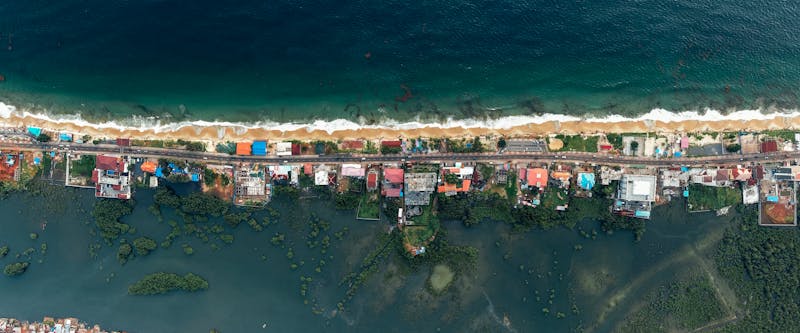
Malta is an archipelago of history and sunshine in the heart of the Mediterranean. Valletta, the smallest capital in Europe, is a Baroque UNESCO gem. Crystal-clear waters, megalithic temples older than the pyramids and English as an official language make it accessible to everyone.
Malta concentrates fortified towns, prehistoric sites, coves and rural landscapes in a small archipelago that takes time to cross. Valletta, the Three Cities and Mdina fill two days; Gozo deserves a full day, preferably one night, while Comino depends on sea conditions and crowds. Buses reach almost everywhere but converge on a few hubs and suffer in traffic, so short distances can take surprisingly long. Four days cover the principal cultural sights; a week allows beaches, trails and islands without rushing. Much of the shore is rocky, so bring suitable footwear. English makes travel straightforward, although Maltese place names and similarly named stops demand care when planning. Treat each island as a distinct outing rather than one continuous resort.
📜 History at a glance
The islands were settled in prehistory by communities that built the megalithic temples of Ħaġar Qim, Mnajdra, Tarxien and Ġgantija, among the oldest known freestanding monumental complexes. Phoenicians and Carthaginians used Malta as a Mediterranean staging post; Roman rule followed, during which tradition places Saint Paul's shipwreck. After Byzantine and Arab periods, the latter left a deep mark on the language and place names. Normans and Sicilian rulers returned the archipelago to a European sphere. In the sixteenth century Charles V granted Malta to the Order of Saint John. The knights survived the Great Siege and founded fortified Valletta, named after Grand Master Jean de Valette. A brief French occupation preceded a long British period that strengthened English, administration and the harbour's strategic role. Malta endured heavy bombing during the Second World War. It became independent in the twentieth century, then a republic and European Union member; construction, tourism and services have reshaped its economy without erasing a strong Maltese identity.
📅 Best time to visit
April-May and late September-October offer temperatures suited to walking, often pleasant seas and less pressure on coastal resorts. June-September is the most reliable swimming season, although July and August bring heat, crowds, higher rates and full buses; schedule outdoor sites in the morning. November-March is mild beside continental Europe, with possible wind, rain and rough water: good for towns and temples, less dependable for Comino. Village festas animate many summer evenings and may close roads. Early spring shows the countryside at its greenest before it dries. Choose late spring or early autumn for diving and swimming, and always check wind and sea conditions before any boat excursion. Winter daylight remains adequate for compact cultural itineraries.
Valletta — UNESCO-listed fortified capital with steep streets, enclosed balconies and harbour views. St John's Co-Cathedral — opulent Baroque interior and Caravaggio paintings; dress respectfully. Upper Barrakka Gardens — free terrace over Grand Harbour and the Three Cities. Vittoriosa, Senglea and Cospicua — harbour towns tied to the knights, also accessible by ferry. Mdina — walled medieval core, quietest early and after tour groups leave. Ħaġar Qim and Mnajdra — megalithic temples on an exposed coast, with visitor centre. Ħal Saflieni Hypogeum — prehistoric underground complex with restricted admission, requiring very early booking. Gozo Citadel — fortress above Victoria with island-wide views. Dwejra — limestone coast, Inland Sea and diving sites. Blue Lagoon — bright Comino water, beautiful but overloaded in peak season.
Suggested itineraries
1 day: explore Valletta, its Co-Cathedral, Upper Barrakka and Grand Harbour; ferry to the Three Cities and return near sunset. 2-3 days: add Mdina and Rabat, then Ħaġar Qim, Mnajdra and Blue Grotto, or Marsaxlokk. Keep one day for Gozo, selecting the Citadel, Ġgantija and Dwejra rather than attempting every beach. 5+ days: sleep one night on Gozo for walking and a slower coast; devote another day to Mellieħa, Għadira and northern Malta. Include Comino only with suitable sea conditions, choosing less crowded departures. Book the Hypogeum separately and build around its admission slot. Divers and walkers should retain one flexible day for weather and transfers.
🍽️ Local cuisine
Malta's quickest snack is a pastizz, flaky pastry filled with ricotta or peas, sold cheaply at pastizzeriji. Ftira is ring-shaped bread filled with tomato, tuna, capers, olives or local ingredients. Traditional dishes include fenek, stewed or fried rabbit, timpana pasta pie, bragioli and widow's soup. Try ħobż biż-żejt, sheep or goat ġbejniet and seasonal lampuki fish. On Gozo seek oven-baked ftira and farm produce. Date-filled imqaret, qagħaq tal-għasel and ice cream finish a meal; Kinnie is a bitter citrus soft drink. Valletta and Sliema offer international food, Marsaxlokk fish and harbour tables. A pastizz costs about €0.50-1, a simple lunch €10-18 and a mid-range dinner €25-40. Check fish prices by weight before ordering.
Neighbourhoods to explore
Valletta is the most atmospheric cultural base and convenient for ferries, but quieter at night than Sliema. Sliema and Gżira provide many hotels, restaurants and connections, together with heavy traffic and little sandy beach. St Julian's combines bays and nightlife; Paceville mainly suits late nights and can be noisy. The Three Cities have historic character and residential rhythms. Mdina and Rabat are central for sites and walks but less useful for the sea. Mellieħa serves beaches and Ċirkewwa but lies far from Valletta. Gozo is rural and quiet: Victoria simplifies buses, while coastal villages require more planning.
🎭 Events and festivals
Village festas run mainly from late spring into early autumn with bands, decorations, processions and fireworks, altering traffic and parking. Carnival animates Valletta and other towns before Lent. Holy Week brings solemn processions, notably in the Three Cities. The Malta International Fireworks Festival presents spring displays. Summer concerts and large music events draw crowds to coastal areas. Notte Bianca opens Valletta cultural venues during autumn. The Rolex Middle Sea Race starts from Grand Harbour each autumn. In December, cribs, lights and Christmas celebrations fill towns and villages. Dates and programmes change annually: verify local closures and transport, particularly when a festa blocks a bus route or fireworks affect access.
How to get there
The only passenger airport is Malta International Airport (MLA) at Luqa, near the geographical centre of the main island. KM Malta Airlines, Ryanair, easyJet and seasonal carriers typically fly from Rome, Milan, Bologna, Naples, Catania and other Italian airports; frequencies and cities vary through the year. Nonstop journeys take roughly 1 hour 20 minutes to 2 hours depending on origin. Return fares sometimes begin around €40-90, but luggage, summer and holidays can multiply them. There are no trains from the airport: Airport Direct and ordinary buses connect Valletta, Sliema, St Julian's and other areas. Reaching Gozo requires a transfer to a conventional or fast-ferry terminal followed by the sea crossing.
🚇 Getting around
Malta has no railway: Tallinja buses, urban ferries, taxis and cars cover journeys. A bus ride bought on board costs approximately €2-2.50 by day depending on season and remains valid for about two hours; a seven-day unlimited visitor card costs around €27. Buses are economical but slow and crowded, so leave margins. From MLA, Airport Direct and regular routes reach Valletta in roughly 25-40 minutes and Sliema or St Julian's often in 40-70 minutes when traffic permits; taxis and apps cost approximately €15-30 by area. Ferries link Valletta with Sliema and the Three Cities. For Gozo, use Ċirkewwa-Mġarr, including vehicles, or the passenger fast ferry from Valletta. Driving is on the left; narrow roads and parking make cars demanding.
Budget and prices
Malta can be economical outside summer, but coastal resorts and late bookings raise prices. A hostel bed costs about €20-35, a simple double €55-90 and a mid-range hotel €90-160; August and sea views often exceed those ranges. Allow €3-6 for breakfast or pastizzi, €8-15 for ftira or a quick lunch and €25-40 for a mid-range dinner. The seven-day bus card costs around €27; ferries, Comino boats and Gozo add separate expenses. Museums and sites commonly charge €6-15, while the limited Hypogeum costs more. A realistic budget is €65-95 per day including accommodation; mid-range travellers need €120-190, excluding flights, diving, car hire and private tours. Beach clubs and waterfront drinks can add a substantial premium.
📋 Practical info
The currency is the euro; Maltese and English are official languages, and Italian is often understood. Traffic drives on the left. Sockets are British type G at 230V, so an adaptor is necessary. Tap water is treated and safe, but its desalinated taste leads many visitors to filtered or bottled water. Tipping is optional; about 5-10% is appreciated when service is not included. Malta is generally safe, with normal precautions on beaches and around Paceville nightlife. EU citizens enter without a visa using valid identification; EU roaming depends on the contract. Sun, wind and sea demand protection. Respect bathing flags, private property and marked coastal access, and never enter caves or rough water against local advice.
💡 Practical tips
Do not judge transfers by kilometres: traffic and changes make short journeys lengthy.
Book the Hypogeum far ahead because daily admission is restricted.
For Blue Lagoon choose early morning or low season and check the wind.
On Gozo select a coherent handful of places rather than chasing the whole island in a day.
When renting a car remember left-side driving, narrow roads and insurance excesses.
Use Valletta-Sliema and Valletta-Three Cities ferries to avoid traffic and enjoy the harbour.
Pack rock shoes because many swimming areas have no sand.
Four days cover Valletta, the Three Cities, Mdina and either temples or coast. A week adds Gozo at a sensible pace, Comino if conditions permit and several beaches. Two days suit only a concentrated city break and should not be presented as enough for the whole archipelago.
May, June, September and October combine swimming, long days and more manageable heat. July and August suit visitors seeking full summer but are crowded and expensive. Towns and sites remain rewarding in winter, although wind and rough seas can cancel boats and restrict coastal activities.
Per person excluding flights, a budget week needs roughly €550-800 with a hostel or shared double, simple meals, buses and admissions. Mid-range accommodation, dinners and boat trips raise this to approximately €900-1,350. August, diving courses and car hire can add significantly to the final total.
Valletta works best for culture and ferries; Sliema and Gżira for hotel choice and connections; St Julian's for restaurants and nightlife. Mellieħa facilitates beaches and Gozo but lies far from the capital. On a week-long trip, splitting the stay with Gozo reduces transfers and provides quieter evenings.
Airport Direct and regular buses run from the airport to Valletta, normally taking about 25-40 minutes but depending on traffic. Taxis and ride apps are quicker with luggage. There are no trains. Buy Tallinja cards or obtain route information in arrivals or from the airport vending machines.
A car is not essential if you have time and stay near good connections; it helps with coves and rural sites, but left-side driving and parking add difficulty. Reach Gozo on the Ċirkewwa-Mġarr ferry, which carries vehicles, or the passenger fast ferry from Valletta, subject to weather.
This site uses third-party cookies — Google Analytics for visit statistics and functional cookies for the flight search engine. By clicking "Accept" you consent to the use of cookies. Cookie policy