🇬🇧
Flights and Hotels in London
London is Europe's great metropolis: free national museums, markets, royal parks and neighbourhoods that feel like separate worlds. Here is how to plan the trip, from choosing airports to a realistic budget.
London is Europe's great metropolis: free national museums, markets, royal parks and neighbourhoods that feel like separate worlds. Here is how to plan the trip, from choosing airports to a realistic budget.
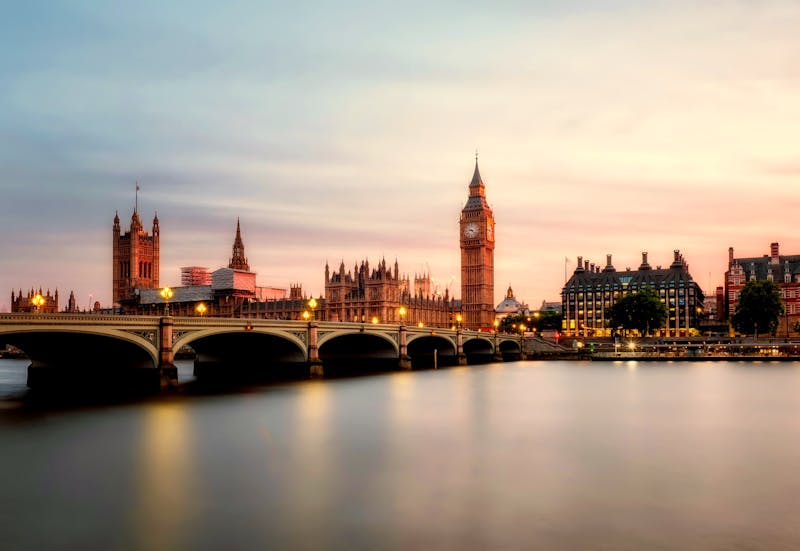
London cannot be covered on foot like an Italian city: the tourist core alone, from Westminster to the Tower, stretches five kilometres along the Thames, and the Underground is essential from day one. The big budget advantage is the free national museums: the British Museum, the National Gallery, Tate Modern, the Natural History Museum. Paid attractions, on the other hand, are expensive at £25-35 each: better to pick two or three and book online, where prices are lower. Two full days cover the essentials — Westminster, Buckingham Palace, the British Museum, the Tower and Tower Bridge, one market — but with three or four the city starts to breathe. Allow 20-30 minutes on the Tube between neighbourhoods and remember that many pub kitchens close early.
London began as Londinium, founded by the Romans around 47 AD by a ford on the Thames. After the Norman conquest of 1066, William the Conqueror built the Tower of London to keep the city in check. In the Middle Ages the City established itself as a trading power with privileges and institutions it partly retains to this day. The watershed came in 1666: the Great Fire destroyed four fifths of the medieval city, rebuilt in stone and brick under the direction of Christopher Wren, architect of St Paul's Cathedral. In the Victorian era London was the most populous city on earth and the centre of a global empire: the world's first underground railway opened here in 1863. The Blitz of 1940-41 devastated entire districts, including the Docklands and the East End, rebuilt after the war. Immigration from the Commonwealth made it Europe's most multicultural city: some 300 languages are spoken here today. From the Swinging London of the Sixties to today's financial City, London still sets trends for the rest of the world.
London's climate is milder than its reputation: it rains often but rarely for long, and extremes are unusual. May to September is the best window: 15-23°C, very long days, parks full of life into the evening. July and August are the busiest and priciest months. April and October remain excellent compromises: 10-15°C, lower prices, a few more showers. Winter (3-8°C) is grey but rarely freezing: from late November to early January the lights of Oxford Street and Regent Street, the markets and the ice rinks make up for the darkness that falls in mid-afternoon. Watch out for British school holidays (half term in late October and in February, plus every bank holiday): hotels rise by 30-40% and the museums fill with families.
British Museum — free: the Rosetta Stone, the Parthenon marbles, Egyptian mummies; allow at least three hours and book a slot online in busy periods. Tower of London — around £35: the Crown Jewels, the ravens and the Beefeaters; head straight to the Jewels on arrival, the queue grows fast. Westminster Abbey — around £30: coronation church since 1066, tombs of Newton and Darwin, Poets' Corner. Buckingham Palace — the Changing of the Guard is free but not daily (check the official calendar); the State Rooms open in summer only, around £35. Tower Bridge — around £13 for the glass-floored walkways and the Victorian engine rooms. London Eye — from £30 online: a slow half-hour rotation above the Thames, long queues without booking. St Paul's Cathedral — around £26: Wren's dome, 528 steps up to the Golden Gallery. Tate Modern — free: modern and contemporary art in a former power station on the river. Sky Garden — free with online booking: a panoramic garden 155 metres up, the smart alternative to paid viewpoints.
1 day: morning in Westminster — the Abbey, Big Ben, St James's Park up to Buckingham Palace — then Trafalgar Square and the National Gallery (one hour for the masterpieces); afternoon at the British Museum, evening in Soho or Covent Garden. 2-3 days: day two, the Tower of London in the morning, Tower Bridge, then walk the South Bank up to Tate Modern and Borough Market; day three, South Kensington (Natural History Museum or the V&A), Hyde Park, Notting Hill and Camden in the evening. 5+ days: add Greenwich by riverboat, shopping between Regent Street and Liberty, a West End musical, Shoreditch for the street art, and a day trip out of town: Windsor (under an hour by train), Oxford or Cambridge (about an hour), or Stonehenge on an organised tour.
London's food scene is among the most varied in the world: its reputation for dreary cooking is decades out of date. Classics: fish and chips (£10-15 in the historic chippies), Sunday roast at the pub with Yorkshire pudding (£18-25, Sundays only), full English breakfast (£10-14), meat pie with mash. Afternoon tea: at grand hotels like the Ritz or Claridge's it costs £60-90 per person and must be booked well ahead; independent tearooms serve honest versions at £25-35. World cuisines: curry on Brick Lane, dim sum in Chinatown, the all-night bagels of Beigel Bake in Shoreditch. Markets: Borough Market by London Bridge is the temple of good food; Camden and Maltby Street for street food (£8-12 a portion). Pubs: a pint costs £6-8 in the centre and many kitchens close early. Dinner in a mid-range restaurant runs £30-50 a head; Soho's pre-theatre menus (£20-28) remain the best deal.
Westminster and St James's: the institutional heart — Parliament, the Abbey, Buckingham Palace. Soho and Covent Garden: theatres, restaurants, nightlife; the best base for those who love to walk. South Bank: the riverside walk linking the London Eye, Tate Modern and Borough Market. The City: skyscrapers and St Paul's, alive on weekdays, quiet at weekends — good hotel rates on Saturdays. Kensington and South Kensington: free museums, Hyde Park, residential elegance. Notting Hill: pastel-coloured houses and the Portobello Road market on Saturdays. Camden: alternative markets and live music. Shoreditch and the East End: street art, brunch and bars. Greenwich: the meridian, the Cutty Sark and a small-town feel, twenty minutes from the centre.
New Year: fireworks on the Thames (ticketed, on sale in autumn) and the parade on the first of January. January-February: Chinese New Year in Chinatown, the biggest celebration outside Asia. April: the London Marathon, from Greenwich to The Mall. May: the Chelsea Flower Show, the world's most famous garden show. June: Trooping the Colour, the parade for the sovereign's official birthday. Late June-early July: Wimbledon, with its legendary queue for daily tickets. July: Pride in London, marching between Oxford Street and Trafalgar Square. August (bank holiday): the Notting Hill Carnival, Europe's biggest Caribbean carnival, two million people. 5 November: Bonfire Night, bonfires and fireworks for the Gunpowder Plot. From mid-November: Christmas lights and Winter Wonderland in Hyde Park.
London is covered by the metropolitan code LON, which groups several airports. Heathrow (LHR), 25 km west, is the full-service hub: British Airways and ITA Airways from Rome Fiumicino and Milan Linate. Gatwick (LGW), 45 km south, mixes easyJet, Vueling and British Airways. Stansted (STN), 60 km north-east, is Ryanair's big base, with the cheapest fares from almost every Italian airport. Luton (LTN), 55 km north-west, hosts easyJet, Ryanair and Wizz Air. There is also the small London City (LCY), close to the City but pricier. Indicative flight times: 2h-2h15 from Milan, 2h30 from Rome, 2h45-3h from Naples, Bari or Catania. Fares: low cost from €25-60 each way booking early, full-service airlines €80-200; around Christmas and in August they easily pass €250.
In town, a contactless card (or an Oyster) is the way to pay: same fares, with a daily cap of about £9 in zones 1-2 that makes tourist passes pointless. The Tube reaches everywhere; the red buses cost about £1.75 a ride with a daily cap under £6. From Heathrow: the Elizabeth Line in 30-40 minutes (£12-14), the Piccadilly Line in 50-60 minutes (about £6), the Heathrow Express to Paddington in a quarter of an hour (£25). From Gatwick: Thameslink and Southern to London Bridge or Victoria in 30-40 minutes (£12-14), the Gatwick Express to Victoria (about £20). From Stansted: the Stansted Express to Liverpool Street in 50 minutes (£20-23 online) or National Express and Terravision coaches in 60-90 minutes (£8-12). From Luton: the DART shuttle plus a Thameslink train in 40-50 minutes (£15-18). Airport taxis are best avoided: £60-100 from Heathrow alone.
London is expensive, but the free museums restore the balance. Return flight from Italy: €50-120 on low-cost carriers booking early, €150-300 over the holidays. Hotels: hostels £25-45 a bed; budget chains (Premier Inn, Travelodge) £70-120 a room outside the centre; three-star in zone 1 £120-200; four-star £200-350; the grand historic hotels start above £500. Airbnb in zone 2: £80-150 a night. Meals: supermarket meal deal £4-6, market street food £8-12, pub £15-25, mid-range dinner £30-50 a head. Transport: with the contactless cap, about £9 a day in zones 1-2, £45-55 a week. Attractions: two or three paid ones are enough (£70-100 per person); the rest is free. Couple's weekend (flights excluded): £450-650 on a budget, £800-1,200 mid-range.
Currency: the pound sterling (£): almost everything is paid contactless and some venues no longer take cash. Entering the UK: Italian visitors need a passport (the Italian ID card is not accepted) and, for Italian citizens, the electronic travel authorisation ETA, to be obtained online or via app before departure — indicative cost around £16, valid for about two years; always check current requirements and processing times on gov.uk. Sockets: type G with three flat pins: bring an adapter. Tap water is safe to drink. Tipping: a 12.5% service charge is often already on the bill; otherwise 10% is optional, and never at the pub bar. Roaming: no longer guaranteed after Brexit — check your plan or consider an eSIM. Safety is good in tourist areas; watch out for pickpockets and phone-snatching by passing scooters.
This site uses third-party cookies — Google Analytics for visit statistics and functional cookies for the flight search engine. By clicking "Accept" you consent to the use of cookies. Cookie policy