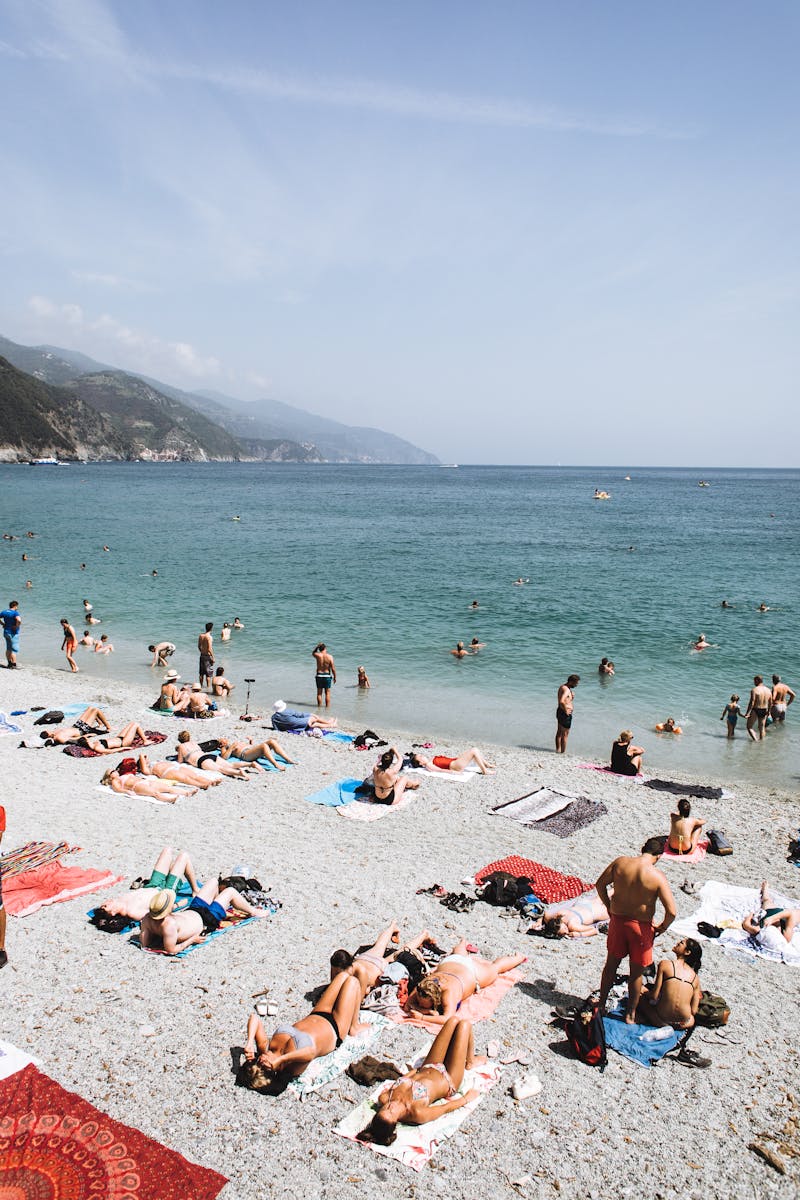
Plan the Amalfi Coast by comparing Naples flights, hotels and transfers: vertical villages, coastal paths, beaches and seasonal ferries explained in one practical guide. for planning without unnecessary rushing
The Amalfi Coast is an area of thirteen municipalities along the southern side of the Sorrento Peninsula, not a single town. Amalfi is the most useful hub for buses and ferries; Positano has steep lanes, boutiques and high prices; Maiori offers a broad beach and easier services. Hilltop Ravello requires a separate transfer. Narrow roads and summer congestion make journey times unreliable, so choose one base, explore neighbouring villages and travel by sea when services operate. The Path of the Gods calls for proper shoes, water and confidence on exposed ground. Group visits by
📜 History at a glance
Roman settlement is visible in the maritime villas at Minori and Positano. Amalfi rose between the early Middle Ages and the eleventh century as a maritime republic trading across the Mediterranean. Its commercial customs, later remembered as the Amalfi Tables, influenced shipping practice. The cathedral and Cloister of Paradise reflect contacts with Byzantine and Arab worlds. Political power declined after Norman conquest and Pisan attacks, although navigation, papermaking and terrace farming endured. Ravello prospered through merchant families who left churches, palaces and panoramic villas. Lemon terraces supported by dry-stone walls and stairways shaped both labour and scenery. During the twentieth century, international artists and travellers turned Positano, Amalfi and Ravello into cultural destinations. UNESCO now recognises a cultural landscape in which settlements, cultivated slopes and cliffs form one connected heritage. That heritage remains visible in religious buildings, civic architecture, cultivated landscapes and customs that still shape everyday life.
📅 Best time to visit
April to June and September to October usually bring mild weather, walkable paths and a wider ferry network, although demand is already strong. July and August mean heat, crowded beaches, peak prices and queues on state road 163. Winter feels quiet and costs less, but many hotels, restaurants and ferries close; rain and rough seas can curtail excursions. Spring and autumn suit the Path of the Gods if you avoid the warmest part of the day. For swimming, choose late spring through early autumn and check sea conditions and beach access. Booking early helps during popular periods, while travelling outside peak season usually brings better choice and a calmer pace.
Why visit Amalfi Coast
Amalfi and Saint Andrew’s CathedralPositanoRavelloVilla RufoloVilla CimbroneAtraniMinori Roman VillaMaioriCetaraVietri sul MareFurore fjordPath of the GodsValle delle Ferrierelemon terraces and the Emerald Grotto. This selection balances scenery,
Amalfi Cathedral — a layered complex with monumental steps, cloister and Saint Andrew’s crypt. Villa Rufolo — gardens and terraces recalling mercantile Ravello. Villa Cimbrone — historic grounds and the Gulf-facing Terrace of Infinity. Positano — vertical houses gathered around Santa Maria Assunta and Spiaggia Grande. Atrani — compact medieval lanes behind its seafront square. Minori Roman Villa — rooms and mosaics from an ancient maritime residence. Furore fjord — a narrow inlet beneath the coastal bridge, with restricted access. Path of the Gods — an exposed high trail from Bomerano to Nocelle. Valle delle Ferriere — a humid nature reserve above Amalfi reached on a planned hike. Always confirm access locally, as weather, ceremonies and maintenance can alter a visit without much notice. Always confirm access locally, as weather, ceremonies and maintenance can alter a visit without much notice.
Suggested itineraries
1 day: arrive through Salerno, see Amalfi and Atrani, then climb to Ravello for Villa Rufolo or Villa Cimbrone; do not squeeze in Positano. 2-3 days: give one day to Amalfi, Atrani and Ravello, another to Positano and Praiano by ferry or bus, and the third to Minori, Maiori and Cetara with a seafood dinner. 5+ days: add the Path of the Gods from Bomerano to Nocelle, Valle delle Ferriere, Vietri sul Mare and an unhurried beach day. Capri or Pompeii takes a full day and should remain a separate excursion. Two bases can reduce repeated crossings of the coast. Simplify the plan when traffic or sea conditions slow connections, giving priority to fewer stops linked by a sensible route.
🍽️ Local cuisine
Coastal cooking joins seafood, terrace gardens and Campanian tradition. Cetara anchovy extract seasons pasta and vegetables with a few savoury drops; anchovies also arrive marinated or fried. In Minori look for fresh pasta, ndunderi and local pastries, while scialatielli with shellfish and squid with potatoes appear across the coast. Amalfi sfusato lemons flavour delizia al limone, granita and limoncello. Provolone del Monaco and fior di latte come from the Lattari Mountains. Snack counters sell fried seafood cones and savoury fritters. Ask the origin and price of the day’s catch before ordering. Pizza or a sandwich costs about €8-15, a simple lunch €20-35 and a seafood dinner roughly €40-70 per person. Places used by residents generally offer more representative flavours and portions; always confirm the price of seafood sold by weight.
Neighbourhoods to explore
Amalfi is the most functional base for SITA connections and boats. Positano supplies the famous view but also stairs, crowds and premium rates. Praiano is quieter, with sunsets and access towards the Path of the Gods. Ravello, high above the water, favours gardens, music and calm over beaches. Minori and Maiori have flatter promenades, family restaurants and more economical rooms. Cetara retains a fishing harbour and anchovy cooking. Vietri sul Mare is convenient for Salerno and its ceramic workshops. Choosing a base that matches the itinerary reduces transfers, queues and costs, particularly on the busiest days.
🎭 Events and festivals
Holy Week brings religious processions to several villages, especially Amalfi and Atrani. In spring, the Regatta of the Ancient Maritime Republics periodically reaches Amalfi in rotation with Pisa, Genoa and Venice. The Ravello Festival presents music and performances from summer into early autumn in historic villas. Amalfi honours Saint Andrew twice each year with rites and processions. Cetara’s Saint Peter celebration connects faith with its fishing identity, while Praiano’s Luminaria di San Domenico lights squares and terraces. Concerts, lemon fairs and food events vary by municipality, so reserve rooms and transport early when a celebration overlaps your stay.
How to get there
The main gateway is Naples Capodichino Airport (NAP), served from major Italian cities by ITA Airways, easyJet, Ryanair, Volotea and other airlines depending on route and season. Flights from Milan, Turin or Venice generally take about 1 hour 15 minutes to 1 hour 35 minutes; rail may work better from closer cities. NAP is not on the Amalfi Coast: allow roughly 1.5-3 hours to reach accommodation, depending on traffic and connections. High-speed rail to Salerno is the useful alternative for Vietri, Cetara, Maiori and Amalfi. Compare the whole flight-and-transfer journey rather than the airfare alone.
🚇 Getting around
From NAP, Alibus runs to Napoli Centrale and Molo Beverello. Continue by train to Salerno or Circumvesuviana/Campania Express towards Sorrento, then use SITA Sud buses. A limited Curreri service also links the airport with Sorrento. From Salerno, SITA serves Vietri, Cetara, Maiori and Amalfi; from Sorrento it reaches Positano, Praiano and Amalfi. Tickets generally cost a few euros and should be bought before boarding. From spring to autumn, seasonal ferries connect Salerno, Amalfi, Positano and other ports for roughly €5-20. Taxis and private NAP-coast transfers often cost about €100-180. Avoid driving: bends, costly parking and municipal restricted-traffic zones complicate every move.
Budget and prices
A hostel bed or basic room starts around €35-70. A simple double in Maiori, Minori or Vietri costs roughly €90-170, while mid-range hotels in Amalfi or Positano can exceed €180-350 in high season; luxury properties rise far beyond. Bar breakfast is about €4-8, a quick lunch €12-20, a trattoria meal €25-40 and a seafood dinner €40-70. Local buses cost a few euros per journey, ferries around €5-20 depending on route, and private transfers from Naples often €100-180. For a couple, three days excluding flights may total about €500-900 on a careful plan or €1,000-1,800 with a mid-range hotel, restaurants and boats. Figures are indicative and rise at peak times; advance booking and accommodation outside the main centres can reduce costs substantially.
📋 Practical info
Currency is the euro and the language Italian; English is common in tourism businesses. Sockets are types C, F and L at 230V. Tap water is generally potable, though isolated accommodation should confirm its supply. EU citizens need no visa beyond valid identity documents, and EU roaming applies under their provider’s plan. Tips are optional: round up or leave about 5-10% for good service when no service charge applies. The coast is broadly safe, but watch bags on crowded buses and quays. Steps, heat and trails require stable footwear. Never enter municipal ZTL restricted zones and confirm parking with the hotel before arrival.
💡 Practical tips
Book accommodation with a bus stop or pier reachable without excessive stairs.
Use seasonal ferries to bypass the coastal road, but keep a backup for rough seas.
Buy SITA tickets before boarding and queue early.
Tackle the Path of the Gods without luggage, with water and sound footwear.
Do not attempt Amalfi, Ravello and Positano in a few hours.
In Positano, check the real height difference between road and room.
Keep cars outside every ZTL: parking and manoeuvring consume time and money.
Three days cover Amalfi, Ravello, Positano and one smaller village without spending the entire trip in transit. Five or six allow the Path of the Gods, Minori, Maiori, Cetara and a beach. With one day, select one section and abandon the idea of seeing the whole coast.
Naples Capodichino, code NAP, is the principal airport. There is no airport on the coast, so landing is followed by bus, train plus SITA, seasonal ferry or a private transfer. For the eastern side, high-speed rail into Salerno can be a more practical approach.
Amalfi works well without a car because buses and boats meet there. Maiori and Minori are flatter and often cheaper; Positano is striking but expensive and steep; Ravello is peaceful yet removed from beaches. Choose according to planned visits, not only according to the room’s view.
Yes, and it is often easier. SITA buses run throughout the year, while ferries increase options in the warmer months. Stay near a stop or pier, travel with light luggage and avoid tight connections during busy periods, because road delays and rough seas can disrupt carefully timed plans.
For a couple, three days excluding flights cost roughly €500-900 with careful choices; mid-range hotels, restaurants and ferries may bring the total to €1,000-1,800. Positano and August are dearer, while Vietri, Maiori and shoulder periods often provide more manageable rates.
May, June, September and early October balance weather, services and swimming, although they remain popular. April is excellent for walking while the sea is cool. July and August are hot and congested; winter is peaceful, but many visitor services and all regular tourist ferries may pause.
Violent crime is uncommon in tourist areas; unattended bags, heat and road conditions are more realistic risks. Watch belongings on full buses, avoid walking along the state road where there is no safe verge, and attempt exposed trails only with proper shoes, water and stable weather.
This site uses third-party cookies — Google Analytics for visit statistics and functional cookies for the flight search engine. By clicking "Accept" you consent to the use of cookies. Cookie policy